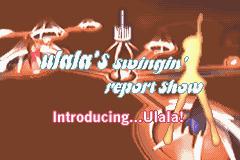
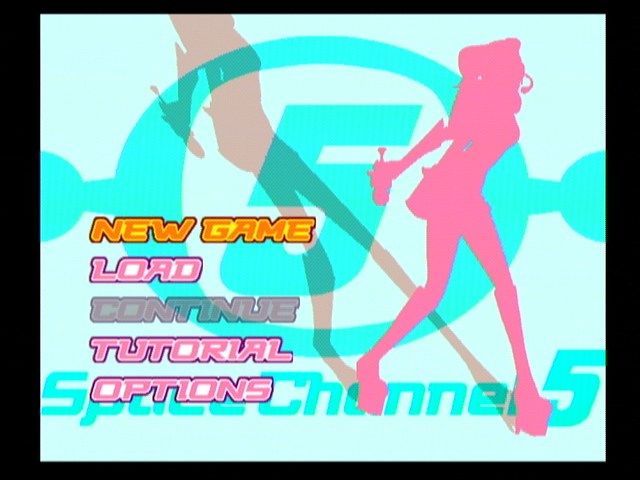
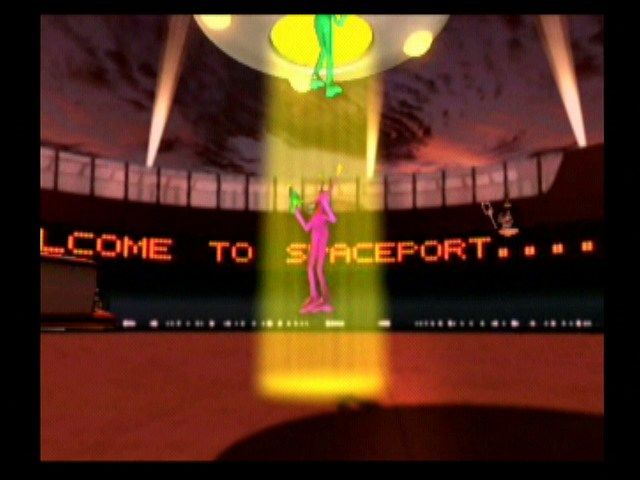
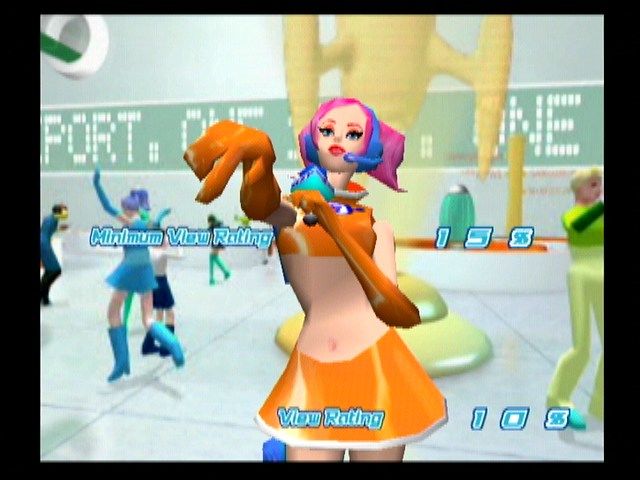
Space Channel 5 (スペースチャンネル5, Supēsu Channeru Faibu) is a music video game developed by United Game Artists under the direction of Tetsuya Mizuguchi and published by Sega. During gameplay, the game characters perform a sequence of moves to the beat, such as steps and shots, which the player must reproduce with corresponding button presses. The game’s theme song, Mexican Flyer, was composed by Ken Woodman in the 1960s. Space Channel 5 was first released in Japan in 1999 and North America and Europe in 2000 for the Dreamcast; it was later released for the PlayStation 2 in Japan and Europe in 2002 and in North America as Space Channel 5: Special Edition in 2003; and then ported by THQ to the Game Boy Advance as Space Channel 5: Ulala’s Cosmic Attack in the same year. A sequel, Space Channel 5: Part 2, was released for Dreamcast (Japan only) and PlayStation 2 (Japan and Europe) in 2002, and on Steam on March 4, 2011.

Space Channel 5
⭐ Rating Breakdown
No rating available yet
Review data for this game has not yet been added to the SEGA Universe rating system.
Game Overview
Commuunity Reviews & Discussion
No community reviews yet
Be the first to rate and review Space Channel 5 on SEGA Universe.
Write the First ReviewScreenshots
Related Articles
Reviews & Discussion
Space Channel 5 does not currently have an overall rating.
Review data for this game has not yet been added to the SEGA Universe rating system.
SEGA Universe ratings are built from the review sources available for each game.
Community reviews are submitted by SEGA Universe members and use a 5-star rating system.
SEGA Universe reviews are editorial reviews written specifically for the site and may contribute to a game’s overall score.
For games originally released on classic SEGA platforms such as the Master System, Mega Drive (Genesis), Saturn and Dreamcast, historical magazine reviews may be used to provide contemporary critic scores from the time of release. These scores are normalised to a 100-point scale before being included in the rating.
For newer releases, Metacritic scores may be used when historical critic reviews are not available.
Not every game uses the same review sources. Some games may only have community reviews, while others combine community reviews, SEGA Universe reviews and critic scores.
Each available review source contributes equally to the final rating.
This database is built using contributions from SEGA Universe and information provided by RAWG Video Game Database
It is continually being improved, and we welcome feedback from the community. If you notice an error, missing information or would like to suggest an update, please contact us at thesegauniverse@gmail.com