



Is the 16-bit classic Decap Attack worth playing? Gather your limbs and things, maybe don’t bring a guillotine, and let’s find out.
But first, let’s do what every self-respecting retro gamer does and read the back of the box.
“Max D. Cap has taken control of Body Island by splitting it into pieces. Dr Frank N. Stein has created you, Chuck D. Head, to battle D. Cap’s wave of creatures, and put the pieces back together!”
That’s right. Decap is the villain, and he’s on the attack.
Released on the Mega Drive and Genesis in 1991, the same year as Sonic the Hedgehog, Decap Attack has since found its way onto numerous platforms, including SEGA Forever.
What many players may not realise is that Decap Attack actually began life as the Japanese game Magical Hat’s Turbo Flight! Adventure. Due to licensing issues, the western release was completely reworked with new graphics, music, story elements and gameplay tweaks. Rather than controlling the character from Magical Hat, you take control of Chuck D. Head, a mummy who is quite literally missing his head.
Decap Attack was developed by Vic Tokai, a studio with a long history on SEGA systems. Before creating Decap Attack, they produced games such as Psycho Fox on the Master System and Kid Kool on the NES. Looking back, you can clearly see some of the ideas that would later evolve into Decap Attack.
Even today, Decap Attack remains one of the Mega Drive’s more unusual platformers. Between its bizarre horror theme, memorable character design and unique gameplay mechanics, it certainly stands out from the crowd.
Its creativity helps it remain memorable more than three decades later.
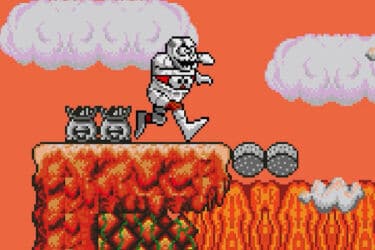
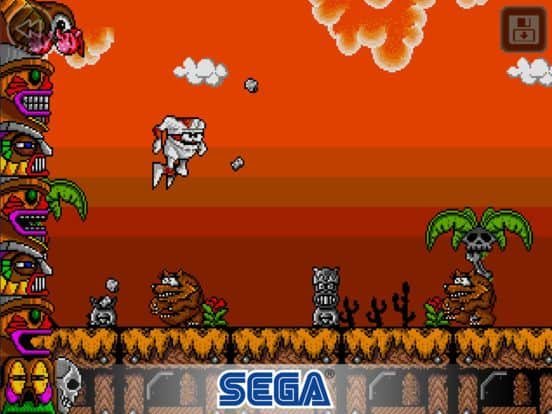
One thing I really like about Decap Attack is the creativity behind its presentation. The horror-inspired world, strange enemy designs and memorable character animations help give the game an identity that stands out from many other platformers on the Mega Drive.
Chuck himself is brilliantly animated, whether he’s floating across gaps, launching his skull at enemies or simply shuffling through the game’s bizarre environments. The bosses are also well designed, with most fitting the game’s quirky horror theme, even if a few feel a little out of place.
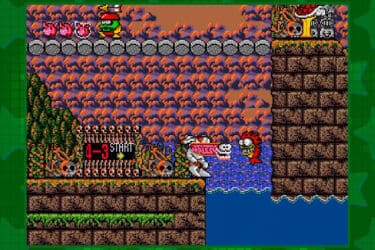
The soundtrack does a good job of supporting the atmosphere, with plenty of creepy melodies and catchy tunes that suit the game’s undead setting. However, while some tracks are memorable, the soundtrack does become repetitive over time and could have benefited from greater variety. The sound effects are generally solid too, although a handful can become a little grating after hearing them repeatedly throughout the adventure.
Visually, Decap Attack is a good-looking game, but it isn’t among the Mega Drive’s absolute best. Some areas are packed with detail and personality, while others can feel a little too similar to one another. There are certainly more colourful and technically impressive games on the system, but Decap Attack’s unique art style helps it remain memorable more than three decades later.
It may not be a visual showcase for the Mega Drive, but its creativity, atmosphere and charm ensure it still leaves a lasting impression.
Chuck D. Head may be missing his head, but he’s far from helpless. Created by the mad scientist Dr. Frank N. Stein, Chuck sets out to stop Max D. Cap and restore the islands that have been torn apart. Along the way, you’ll battle a host of monsters, explore seven themed areas and take on a variety of bosses.
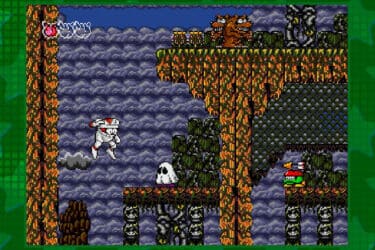
At its core, Decap Attack is a straightforward platformer. Chuck can run, jump and attack enemies using the face hidden within his torso. Early on, however, you’ll discover one of the game’s most memorable mechanics. By finding special statues throughout each level, Chuck can recover his skull and use it as a boomerang-style projectile. Launching your head at enemies is surprisingly satisfying and quickly becomes your primary method of attack.
The controls are responsive and Chuck has more mobility than many platform heroes of the era. One of his most useful abilities is a floating jump, allowing you to slow your descent and reach platforms that would otherwise be out of reach. It adds a welcome layer of precision to platforming and helps set Decap Attack apart from many of its contemporaries.
Throughout the adventure you’ll discover potions hidden within statues. These can be stored and activated when needed, providing effects such as temporary invincibility, freezing enemies or increasing your jump height. Some are extremely useful during difficult sections and boss fights, although I often found myself forgetting they were available until I was already in trouble.
Launching your skull at enemies quickly becomes one of the game’s most satisfying mechanics.
Level design is generally solid, with a good mixture of environments including underwater stages, icy areas and lava-filled hazards. The game gradually introduces new challenges and mechanics, allowing you to learn the controls before increasing the difficulty. However, the lack of checkpoints can be frustrating. Losing all your health sends you back to the start of the level, and any useful items collected along the way are gone, forcing you to reach your previous position without their help.
Boss battles are mostly enjoyable and fit the game’s bizarre style, although a few difficulty spikes feel harsher than they should. Enemy placement can also be frustrating at times, with some foes positioned in ways that feel almost impossible to avoid on a first playthrough.
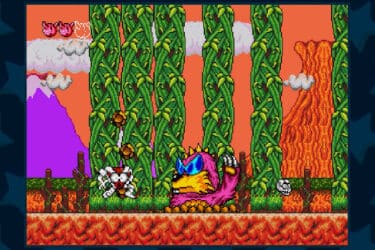
My biggest criticism is the enemy design. While the game’s horror theme is full of personality, you’ll encounter the same enemies repeatedly throughout the adventure. Worse still, defeated enemies respawn almost immediately when you move away from an area, meaning you’ll often find yourself fighting the same foes over and over again. Combined with the occasional cheap placement, this can become one of the more frustrating aspects of the game.
Even so, Decap Attack remains a fun platformer. The floating movement, head-throwing combat and quirky horror theme help create an experience that still feels unique today, even if some design decisions have aged less gracefully than others.
Decap Attack offers a respectable amount of content for a 16-bit platformer.
Decap Attack offers a respectable amount of content for a 16-bit platformer. The adventure is split across seven themed areas, each consisting of multiple stages and a boss encounter. While the game can be completed in a few hours by experienced players, first-time players are likely to spend considerably longer learning enemy placements, mastering Chuck’s abilities and overcoming some of the tougher sections.
One feature I particularly enjoyed was the potion system. Collecting and managing potions adds a small layer of strategy, especially during boss fights where the more powerful abilities can make a significant difference. Exploring levels thoroughly also feels worthwhile, as hidden items and resources can help make later challenges more manageable.
That said, the game does begin to recycle content as it progresses. Enemy variety is limited, and you’ll encounter many of the same creatures throughout the entire adventure. While new environments help keep things fresh visually, the gameplay itself doesn’t evolve as much as I would have liked in the later stages.
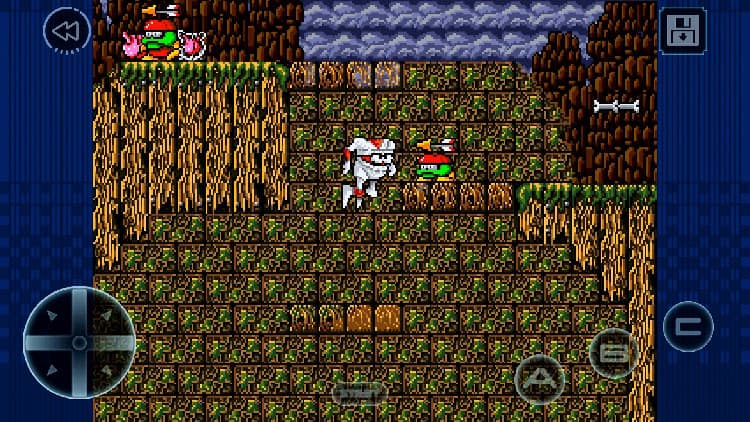
For modern players, Decap Attack is available through several re-releases, including SEGA Forever. The mobile version performs reasonably well and remains perfectly playable, although touchscreen controls are never quite as satisfying as using a proper controller. If possible, I would strongly recommend playing with a controller or on original hardware for the best experience.
Replay value largely comes from mastering the game, improving your performance and revisiting its unique horror-themed world. While there aren’t multiple modes, alternate routes or major unlockables to keep you coming back, Decap Attack’s unusual charm and enjoyable gameplay make it a game that many retro fans will be happy to revisit from time to time.
Verdict
Decap Attack is one of the Mega Drive’s strangest and most memorable platformers. Its horror-inspired world, unique character design and creative gameplay mechanics help it stand apart from many of its contemporaries, even more than three decades after its original release.
Chuck’s floating movement and head-throwing combat remain enjoyable today, while the game’s quirky atmosphere gives it a personality all of its own. The presentation may not rival the very best-looking games on the system, but its creativity more than makes up for any technical shortcomings.
Not everything has aged gracefully. Enemy variety is limited, respawning foes can become frustrating, and the lack of checkpoints occasionally makes the difficulty feel harsher than it should. However, these issues are rarely enough to overshadow the fun at the heart of the experience.
If you’re a fan of classic platformers or looking to explore some of the Mega Drive’s lesser-known gems, Decap Attack is well worth your time. It may not reach the heights of Sonic the Hedgehog or Castle of Illusion, but it remains a distinctive and entertaining adventure that deserves to be remembered.
See what SEGA fans have been playing and reviewing recently.